PRODUCT CENTER
产品中心
|
阴离子交换树脂 Anion-exchange resin
收藏
产品说明DESCRIPTION
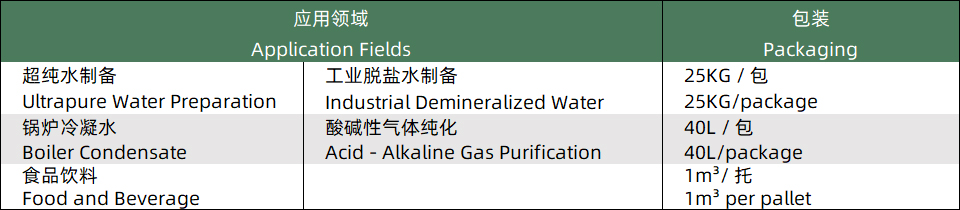
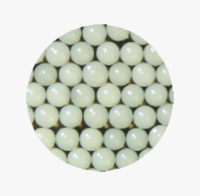
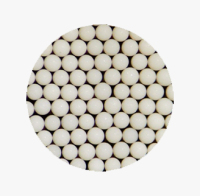
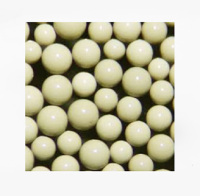
产品简介 ANS—RS树脂系列产品是由艾诺森授权经销的另外一个品类,产品主要包括阴离子树脂、阳离子树脂、高温抛光树脂等,艾诺森结合市场需求,通过了解客户诉求,为客户提供高品质的树脂,产品主要用在家用净水、空气净化、食品饮料、化学提纯等领域。 The ANS-RS resin series products are another category authorized for distribution by Innocent. The products mainly include anionic resins, cationic resins, high-temperature polishing resins, etc. Innocent combines market demand and understands customer demands to provide high-quality resins. The products are mainly used in household water purification, air purification, food and beverage, chemical purification and other fields.
使用方法 Usage 1、装柱(采用湿法装柱) A 实验室 量取:将一定量的树脂与去离子水在烧杯中进行混合,然后将混合的树脂水溶液倒入量筒中,使树 脂充分沉降并缓慢敲实,通过补加和移取,使树脂床层与相应刻度持平,即完成树脂的量取。 装填:关闭离子交换柱下端的出口阀门,用水将量筒中的树脂全部导入离子交换柱中,然后打开交 换柱出口阀门,使树脂在柱内沉降压实,然后关闭交换柱出口阀门,待用。(注意:须保留液面高于树脂 床层 1-2cm,避免干柱。) B 工业化 新树脂装柱前,应该使用清水和碱液对树脂交换柱相关管道进行清洗,清理出焊渣等固体废料和附 着在柱壁和管壁上的尘土与其他杂质。然后,向柱内注入 1/3 体积的水,取少量树脂,将树脂从交换柱 顶部人孔处装入柱内。关闭人孔,向柱内注水,同时打开交换柱下部排水阀门,用≥80 目筛网在排水口拦截,观察是否有树脂泄露,如果有个别小颗粒,属于正常现象;如果有大颗粒树脂出现,且量比较多, 说明交换柱下滤板有问题,应把树脂和水放出,检查下滤板焊缝和水帽,查找原因,进行检修。检修完 毕后,再按照上面的方法检测,直至确定符合要求,然后再将剩余的树脂加入交换柱内。 2、树脂预处理 主要是为了清除树脂孔道内残留的有机分子、致孔剂等,一般可采取水洗、 碱洗的方式(过柱清洗或浸泡处理),至清洗出口液或浸泡液无浑浊、无味,待用。(具体方式选择,可 视具体工艺工况而定。) 3、树脂再生 一般根据吸附物质的物化特性,并结合具体工艺工况,综合考虑后选择合适的再生方式,溶剂、酸、 碱、蒸汽都可作为树脂再生的方式。 1. Column installation (using wet method for column installation) A laboratory Measurement: Mix a certain amount of resin with deionized water in a beaker, then pour the mixed resin solution into a measuring cylinder to allow the resin to settle fully and slowly compact. By adding and removing, make the resin bed level with the corresponding scale, and complete the resin measurement. Loading: Close the outlet valve at the lower end of the ion exchange column, use water to introduce all the resin in the graduated cylinder into the ion exchange column, then open the outlet valve of the exchange column to allow the resin to settle and compact inside the column, and then close the outlet valve of the exchange column for later use. (Note: Keep the liquid level 1-2cm above the resin bed to avoid dry columns.). ) B Industrialization Before installing the new resin column, the relevant pipelines of the resin exchange column should be cleaned with clean water and alkali solution to remove solid waste such as welding slag, dust and other impurities attached to the column wall and pipe wall. Then, inject 1/3 volume of water into the column, take a small amount of resin, and load the resin into the column from the manhole at the top of the exchange column. Close the manhole, inject water into the column, and open the drainage valve at the bottom of the exchange column. Use a sieve with a mesh size of ≥ 80 to intercept at the drainage outlet and observe for resin leakage. If there are individual small particles, it is a normal phenomenon; If there are large particles of resin present and the amount is relatively large, it indicates that there is a problem with the filter plate under the exchange column. The resin and water should be drained, the weld seam and water cap of the filter plate should be checked, the cause should be identified, and maintenance should be carried out. After the maintenance is completed, check according to the above method until it meets the requirements, and then add the remaining resin into the exchange column. 2. Resin pretreatment The main purpose is to remove residual organic molecules, pore forming agents, etc. from the resin pores. Generally, water washing or alkaline washing (column cleaning or soaking treatment) can be used until the cleaning outlet liquid or soaking solution is clear and odorless, and is ready for use. (The specific method selection depends on the specific process conditions.) 3. Resin regeneration Generally, based on the physicochemical properties of the adsorbed substance and specific process conditions, a suitable regeneration method is selected after comprehensive consideration. Solvent, acid, alkali, and steam can all be used as resin regeneration methods. 注意事项 Precautions (1)使用中应尽量避免反复对树脂进行装卸,防止树脂床层不均匀导致偏流。 (2)焦油对树脂的污染具有不可逆性,应避免。 (3)避免因无机盐结晶导致树脂孔道堵塞,影响树脂处理效果。 (4)避免使用温度过高或过低,该树脂在 5-100℃环境下可以长期使用。 (1) During use, it is advisable to avoid repeatedly loading and unloading the resin to prevent uneven resin bed from causing bias. (2) Tar pollution of resin is irreversible and should be avoided. (3) Prevent resin pore blockage caused by inorganic salt crystallization, which may affect the resin treatment effect. (4) Avoid using temperatures that are too high or too low. This resin can be used for a long time in an environment of 5-100 ℃. 树脂储存 Resin storage (1)保持树脂的内、外包装完整,防止树脂受污与失水。 (2)防止树脂受冻与受热,树脂一般要求室温避光保存。 (3)避免与有异味、有毒、氧化性物质混杂堆放。 (1) Keep the inner and outer packaging of the resin intact to prevent contamination and dehydration of the resin. (2) To prevent the resin from freezing and heating, it is generally required to store the resin at room temperature and away from light. (3) Avoid mixing and stacking with odorous, toxic, or oxidizing substances. 产品参数 Product Introduction
|